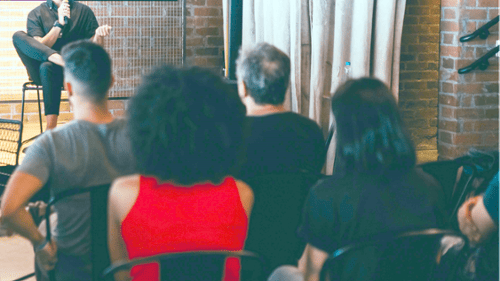
Last summer, I had the chance to join a small community event for therapists in the Seattle area: a “Summer Therapist Panel Series” hosted in White Center. The first gathering (June 4) focused on all things private practice...how to get started, how to think about marketing without losing your integrity, how to make business decisions you can live with, and what it takes to build something that lasts.
I’ve been in private practice in Seattle for a long time, and I’ve learned (sometimes the hard way) that a sustainable practice is rarely about one clever tactic. It’s usually about doing a handful of core things consistently, learning who you serve best, and building a professional life that you can actually maintain. If you’re interested in how Clarity Counseling Seattle grew from a solo practice to a multi-provider group, you can read more in our Clarity’s journey from solo to group practice blog post.
What we talked about on the panel
The panel conversation covered a lot of ground, but a few themes came up repeatedly:
- Getting started without overcomplicating it: simple first steps, early mistakes to avoid, and how to build momentum even if you’re juggling a job, licensure hours, or family life.
- Marketing do’s and don’ts: what tends to work over the long run, what tends to burn people out, and how to keep your voice human while still being clear about what you offer. For more on how therapy platforms and marketing models affect practice, see our post When Profit Meets Practice.
- Longevity in the work: boundaries, pacing, and decisions that support a career you can sustain (not just a busy season).
- Niching down without getting trapped: how to clarify your focus while still leaving room to grow, evolve, and follow what you genuinely care about.
Why local therapist community matters
One of the reasons I said yes to this panel is that building a practice can feel isolating, especially early on. A lot of clinicians are quietly trying to figure out business decisions, consultation needs, and professional identity at the same time. Events like this create a different feeling: less “performing” and more “we’re in this together.”
And from a community standpoint, it matters when therapists know each other. It makes referral networks healthier. It helps newer clinicians find steadier ground. It supports better care for clients, because clinicians are more resourced when they’re connected to peers.
A note on what I shared from my own work
I spoke from the perspective of someone who has built a long-term practice in Seattle and now leads a group practice. A big part of my clinical work is with couples and relational concerns, so when I think about practice-building, I tend to think in relational terms too: trust, clarity, consistency, and repair when things go sideways (because they always do at some point).
If you’re exploring therapy in Seattle and you’re trying to find a clinician or a practice that feels established, grounded, and human, this kind of local professional involvement is one small piece of the larger picture.
If you’re looking for therapy support in Seattle
Clarity Counseling Seattle offers relationship-focused therapy and individual support across Washington State. If it’s helpful, you can learn more about working with a Seattle couples therapist or explore telehealth therapy options in Washington.
And if you’re a therapist reading this: I’m always glad to support community learning when it’s grounded, practical, and genuinely helpful. We all benefit when clinicians feel less alone in the work.
If you find our articles helpful, you can add Clarity Counseling Seattle as a preferred source on Google so future articles are easier to find.: Add Clarity as a preferred source on Google