
Pre-Marital & Pre-Commitment Therapy
Begin your future with confidence.

Premarital counseling can help you and your partner build a strong foundation for your next chapter. Let’s explore your values, strengthen your connection, and prepare for what’s ahead—together.

Wedding Rings on the ground outside of Seattle couples therapist office
Build a Stronger Foundation Together
Start Premarital Counseling

Premarital & Pre-Commitment Counseling in Seattle

What is premarital counseling and why is it important?

Congratulations on your engagement or deepening commitment! Committing to a partner is exciting (and sometimes a little overwhelming). Premarital and pre-commitment counseling gives you a supportive place to talk things through, align on what matters most, and strengthen your bond before the next chapter. Many couples find that premarital counseling helps them communicate more clearly and feel better prepared for long-term commitment.

How does premarital counseling help couples?Couple holding hands, representing premarital counseling in Seattle

  • Build habits that make hard conversations easier and more respectful
  • Strengthen emotional safety and deepen connection
  • Clarify values, roles, and expectations (so fewer surprises later)
  • Spot potential friction points early and create a plan together

Our therapists often draw from the Gottman Method (for practical communication tools), Emotionally Focused Therapy (EFT) (to nurture secure connection), and the PREPARE/ENRICH assessment when helpful to give you a personalized roadmap of strengths and growth areas.

What topics are covered in premarital counseling?

Every couple is unique, so sessions are tailored to your relationship, timeline, and values. Common topics include:

  • Communication skills and conflict that stays respectful
  • Emotional safety, intimacy, and sexual connection
  • Shared values, life vision, and future planning
  • Money talk: spending, saving, debt, and financial roles
  • Household roles and day-to-day expectations
  • Preparing for stressors and big transitions (moves, careers, kids)
  • Family dynamics, religion, or spirituality

Many couples benefit from talking early about roles, expectations, household labor, money, family involvement, and emotional responsibility before resentment has time to build. These themes also show up in Clarity’s broader work on emotional labor and relationship patterns, including a recent contribution to The New York Times on emotional labor, sometimes referred to in straight relationships as “mankeeping.” You can also read our related blog post about how these patterns can quietly shape connection over time.

If you’d like to explore how these broader conversations connect with couples work, our Media & Press page includes recent interviews and features on relationships, emotional labor, intimacy, and modern commitment.

Two women sharing a close moment, representing LGBTQ+ premarital counseling in SeattleIs premarital counseling helpful for LGBTQ+ or nontraditional couples?

Premarital and pre-commitment counseling can be helpful for couples of all identities, orientations, and relationship structures. The core work is often similar for everyone: learning how to communicate honestly, handle conflict respectfully, talk about sex and intimacy, make decisions together, and understand each other’s expectations before resentment has time to build.

For LGBTQIA+ couples, the value isn’t that your relationship needs a separate kind of preparation. It’s that therapy should give you an affirming space where the full reality of your relationship can be named without explanation, defensiveness, or judgment. That may include conversations about family acceptance, chosen family, religion or spirituality, parenting hopes, fertility or adoption, gender identity, sexual identity, community, safety, or how past experiences shape the way you each approach commitment.

For nontraditional relationship structures, including polyamorous, open, or consensually non-monogamous relationships, pre-commitment counseling can also help clarify agreements, expectations, boundaries, communication patterns, and what commitment means to everyone involved.

When should we start premarital counseling?

You don’t need conflict to benefit from therapy. In fact, the best time to invest in your relationship is when things are going well and you want to keep them that way. Couples often tell us, “I wish we had done this sooner.” Early support reduces miscommunication and builds lifelong habits that help you stay connected when life gets busy.

Many couples find that 6–8 sessions provide a helpful framework; others continue longer or transition into relationship therapy, marriage counseling, or sex and intimacy therapy over time.

We offer both online therapy across Washington and in-person sessions at our Seattle counseling office. However you meet with us, we’ll help you feel supported and ready for what’s ahead.

How do we start premarital counseling in Seattle or online?

This is a unique window to build trust, clarity, and connection. If you’d like guidance, our compassionate therapists are here.

Start premarital counseling today
Explore Couples Therapy
Learn about Marriage Counseling
Visit our Sex and Intimacy Therapy page
Should We Try Therapy Before Marriage?


How Pre-Marital & Pre-Commitment Therapy at Clarity Counseling Seattle Helps You Build a Strong Future Together

Preparing for a lifelong commitment is about more than planning a wedding or sharing a home — it’s about creating a relationship that can thrive for years to come. Our Seattle pre-marital and pre-commitment therapists help you strengthen your connection, work through important conversations, and develop the skills to navigate both the joys and challenges of life together. With a mix of compassion and practical tools, we’ll help you start this next chapter feeling confident, supported, and ready for what’s ahead.

Lay a Solid Foundation for Your Relationship

We’ll guide you through essential topics like communication, conflict resolution, finances, intimacy, and shared values so you and your partner feel prepared for the road ahead. These conversations deepen your understanding of one another and give you strategies to handle challenges with confidence.

Prevent Problems Before They Start

Many couples wait until they’re facing major difficulties to seek help — but early guidance can prevent common relationship pitfalls. Our sessions give you space to explore potential areas of conflict, from managing expectations to navigating family dynamics, so you’re better equipped to handle them together.

Therapy Tailored to Your Unique Relationship

No two couples are the same, which is why each session is customized to reflect your relationship’s strengths, needs, and goals. Whether you’re focused on building intimacy, improving communication, or addressing specific concerns, we make sure the work feels relevant and personal to you.

Flexible Options to Fit Your Life

We offer both in-person sessions in our Seattle office and secure online therapy, making it easier to get the support you need wherever you are. Whether you’re planning from the same home or coordinating across cities, you can access expert guidance in the way that works best for both of you.

Justin Pere is one of my top referrals for men and couples in Seattle.

I have worked with many women who have seen Justin as part of couples counseling and they have felt his support and guidance were extremely helpful for their relationship. Justin is a kind, compassionate and highly experienced therapist who I would recommend without hesitation!

Meet Our Therapists :

Justin Pere, Seattle couples therapist and certified sex therapist

Justin Pere LMHC-S, CST, CGT

Relationships, Sex & Midlife

(he/him pronouns)

Seattle + telehealth across Washington

Focus: couples therapy, sex/intimacy, men’s therapy, midlife concerns

Fee: $195 for individuals, $215 for couples/relationships

I’m a Certified Sex Therapist ...

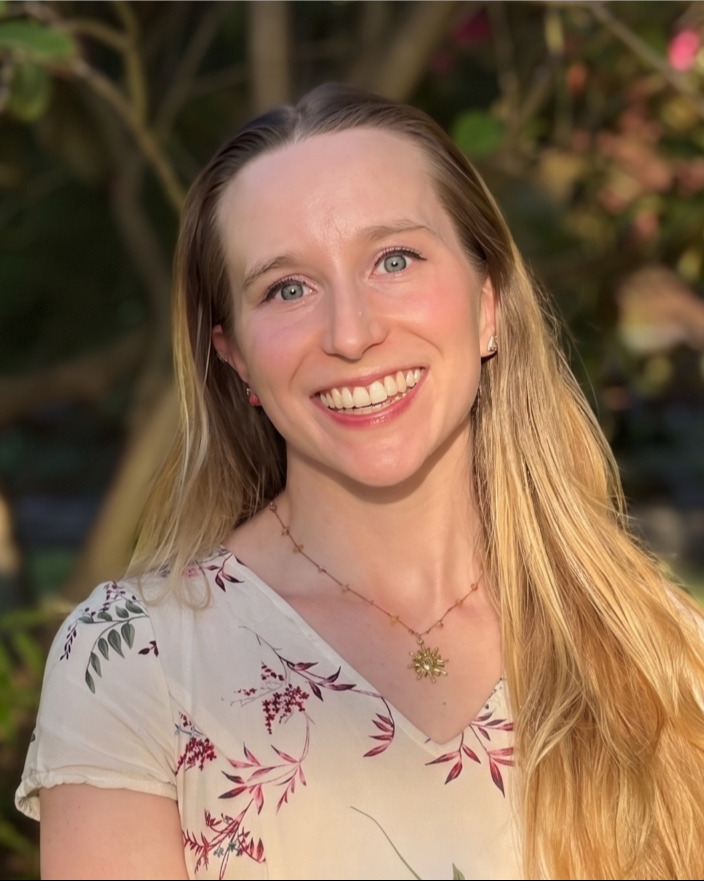
Kaitlyn McManus, Seattle couples therapist and certified sex therapist

Kaitlyn McManus MA, LMFTA

Relationships, Sex & Communication

(she/her pronouns)

Seattle + telehealth across Washington

Focus: couples therapy, relationship counseling, sex and intimacy therapy, conflict and communication patterns, relationship transitions, kink and fetish affirming ...

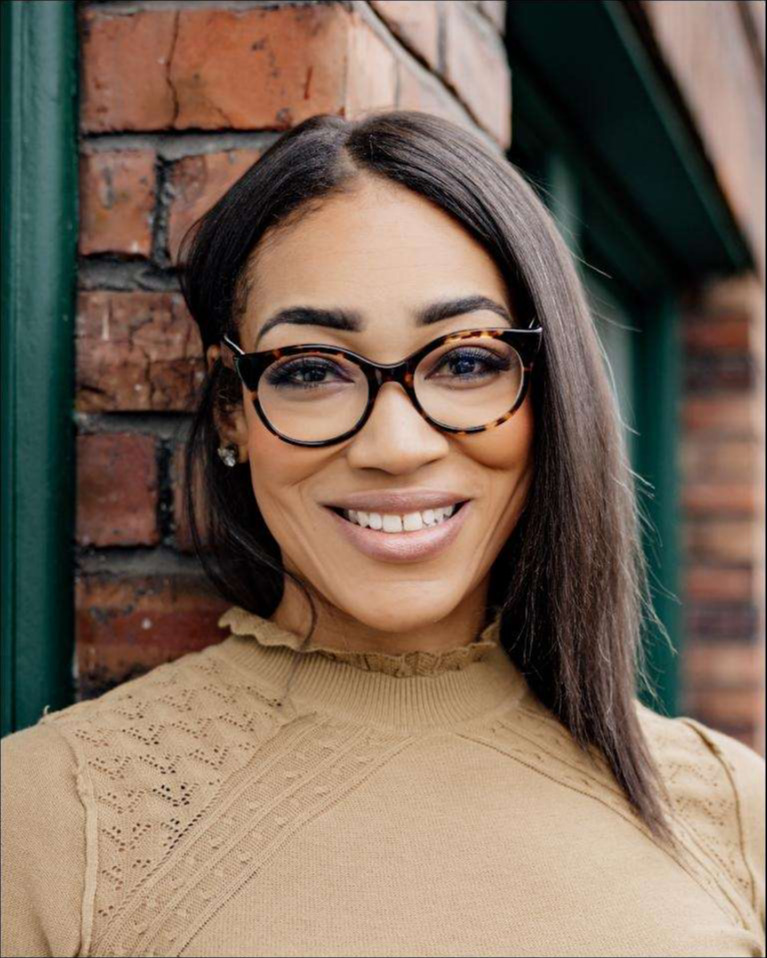
Emma Ehrlich, Seattle therapist specializing in relationships, anxiety, and intrusive thoughts

Emma Ehrlich MA, LMHCA

Relationships, Anxiety & Intrusive Thoughts

(she/her pronouns)

Seattle + telehealth across Washington

Focus: couples therapy, relationship counseling, anxiety, somatic therapy, chronic illness, life transitions, emotional overwhelm

Fee: $185 for individuals, $195 ...

Rosa Booker, Seattle therapist specializing in relationships, parenting, and family transitions

Rosa Booker MS, LMFTA

Relationships, Parenting & Family Transitions

(she/her pronouns)

Seattle + telehealth across Washington

Focus: couples therapy, relationship counseling, premarital counseling, parenting transitions, sex/intimacy, cross-cultural relationships, grief

Fee: $195 for both individuals and ...

Misa Mattson, Washington online therapist specializing in couples, sex, intimacy, and identity

Misa Mattson MA, LMFTA

Relationships, Sex & Identity

(she/her pronouns)

Telehealth across Washington

Focus: couples therapy, relationship counseling, sex therapy, intimacy counseling, polyamory, LGBTQIA2S+ identity, parenting, multicultural clients, neurodivergence

Fee: $185 for individuals, $195 ...

Corey Thompson, Washington online therapist specializing in sex, intimacy, relationships, and desire

Corey Thompson MA, LMHC

Sex, Desire & Relationship Therapy

(he/him pronouns)

Telehealth across Washington

Focus: couples therapy, relationship counseling, sex therapy, intimacy counseling, out of control sexual behavior (OCSB), desire ...

Lisa Stewart, Seattle therapist specializing in couples, anxiety, and trauma

Lisa Stewart MSW, MJ, LICSW, SUDPT

Relationships, Anxiety & Trauma

(she/her pronouns)

Saturdays in Seattle + telehealth across Washington

Focus: couples therapy, relationship counseling, anxiety, trauma, parenting stress, grief, major life transitions

Fee: $185 for individuals, ...

Featured Blog Posts - Pre-Marital & Pre-Commitment Therapy

August 19, 2021

You're Engaged! Believe It or Not, Now’s the Perfect Time for Therapy

engaged couple standing together

First off...congratulations! You’re in love, you're committing to each other, and you’re ready to let the world know. That’s a big deal. And while you’re planning celebrations, booking venues, or dreaming about the future, there’s something else worth planning too: premarital counseling.

That might sound counterintuitive at first. “We’re doing great—why would we go to therapy now?” But that’s exactly the point. This is the ideal time to build skills and talk through the kind of topics that help you stay connected through life’s ups and downs.

Why Start Therapy Before ...

Frequently Asked Questions

Relationship coaches and couples therapists can both support relationships, but their training, scope of practice, and approach are often quite different.

Relationship coaches typically focus on guidance, accountability, communication strategies, goal-setting, or helping people move toward desired outcomes in their relationships. Coaching can sometimes be helpful for couples looking for structure, encouragement, or practical tools.

Couples therapists, on the other hand, are licensed mental health professionals with clinical training in emotional and relational dynamics. Therapy often goes deeper into areas such as attachment patterns, conflict cycles, trauma, betrayal, anxiety, emotional regulation, intimacy concerns, family-of-origin influences, and longstanding relational pain.

Therapists are also trained to assess for mental health concerns that may be affecting the relationship and are required to follow professional ethics, confidentiality standards, licensing regulations, and continuing education requirements.

Another important difference is that couples therapy is often less focused on simply giving advice and more focused on helping partners understand the underlying emotional patterns driving conflict and disconnection. This can involve slowing conversations down, increasing emotional awareness, improving communication, rebuilding trust, and helping couples relate to each other differently in real time.

Many couples seek therapy when they feel stuck in recurring arguments, emotional distance, resentment, intimacy struggles, communication breakdowns, or uncertainty about the future of the relationship. In those situations, working with a licensed therapist trained in relationship work is often more appropriate than coaching alone.

If you’re interested in couples therapy, marriage counseling, or sex and intimacy therapy, our intake coordinator can help you explore what kind of support may fit your situation best.

AI-powered relationship apps and tools can sometimes be helpful as a starting point for couples who want to reflect on communication patterns, learn relationship concepts, or begin conversations they’ve been avoiding. Some couples find these tools useful for increasing awareness or organizing their thoughts before seeking support.

At the same time, AI cannot fully replace the experience of working with a skilled human couples therapist. Relationships are emotionally complex, and much of the important work in therapy happens in real time through emotional attunement, conflict regulation, trust-building, accountability, vulnerability, and repair. Human therapists are able to notice subtle emotional shifts, relational patterns, body language, defensiveness, shutdown, longing, fear, and emotional disconnection in ways that AI currently cannot truly understand.

Couples therapy is also not just about providing advice or communication tips. A good therapist helps create emotional safety while guiding difficult conversations that many couples struggle to navigate on their own. This often includes helping partners slow down reactive cycles, understand each other more deeply, and work through painful experiences that don’t fit neatly into scripted responses or questionnaires.

That said, we don’t see AI tools as inherently negative. Some couples may use them alongside therapy as an additional resource for reflection, journaling, communication practice, or psychoeducation. But for couples facing deeper patterns of conflict, resentment, emotional disconnection, betrayal, intimacy concerns, or long-standing relationship pain, human therapy tends to offer a depth and responsiveness that technology alone cannot fully replicate.

If you’re curious about this topic, you may also appreciate our blog post on why AI can’t fully replace couples therapy.

If you’re considering couples therapy or sex and intimacy therapy, our intake coordinator can help you explore whether working with one of our therapists might be a good fit for your relationship.

Premarital and precommitment therapy is designed to help couples build a strong foundation before making a major commitment. Rather than waiting until problems arise, many couples choose to invest in their relationship proactively by developing skills, strengthening communication, and identifying potential challenges before they become larger issues.

While every therapist has their own style, premarital and precommitment therapy at Clarity Counseling Seattle is tailored to the unique needs of each couple rather than following a rigid, one-size-fits-all program. We focus on understanding your relationship's strengths, growth areas, goals, and concerns so that therapy feels relevant to your specific situation.

What Happens During Premarital Therapy?

Many couples complete the Gottman Relationship Checkup, a research-based assessment that provides detailed information about areas such as communication, conflict management, friendship, intimacy, trust, shared values, and future goals. The assessment helps us identify where your relationship is already thriving and where additional attention may be helpful.

Sessions often include conversations about communication patterns, conflict resolution, emotional connection, intimacy, finances, family relationships, expectations around marriage or commitment, life goals, parenting considerations, and the ways you navigate differences as a couple.

How Many Sessions Do Most Couples Attend?

The number of sessions varies depending on the couple and their goals. Some couples attend for a relatively brief period focused on specific topics, while others choose a longer course of therapy to explore their relationship in greater depth. Most couples attend multiple sessions, often around 10 or more, to allow enough time to build skills and integrate what they're learning.

Why Premarital Therapy Is Worth Considering

One of the things we enjoy most about this work is helping couples strengthen an already meaningful relationship. Rather than focusing primarily on repairing damage, premarital therapy often centers on building resilience, deepening connection, increasing understanding, and creating a shared vision for the future.

If you'd like to learn more, you may also enjoy our blog post on why premarital counseling is worth considering.

If you're considering premarital or precommitment therapy, our intake coordinator can answer questions and help you find a therapist who feels like a good fit.

Premarital counseling helps couples strengthen their relationship before marriage or long-term commitment by creating space for important conversations, building relationship skills, and identifying potential challenges before they become larger problems.

Many couples enter marriage with strong love and commitment, but without having fully explored some of the issues that often create stress later. Premarital therapy provides an opportunity to discuss these topics intentionally and develop a stronger understanding of one another's expectations, values, fears, hopes, and goals.

Topics Often Covered in Premarital Counseling

Every couple is different, but common areas of focus often include:

  • Communication and conflict resolution
  • Money, finances, debt, and spending habits
  • Sex, intimacy, and physical affection
  • Marriage expectations and long-term goals
  • Family relationships and boundaries
  • Parenting hopes and decisions about children
  • Religious, spiritual, political, or cultural differences
  • Division of responsibilities at home
  • Managing stress and supporting one another through life transitions

Beyond discussing these topics, couples also learn practical skills for navigating disagreements, expressing needs more effectively, repairing conflict, increasing emotional connection, and maintaining a strong friendship over time.

Building a Stronger Foundation

One of the greatest benefits of premarital counseling is that it shifts the focus from reacting to problems after they occur to proactively strengthening the relationship before major difficulties arise. Many couples leave feeling more confident, aligned, and prepared for the next chapter of their lives together.

We often remind couples that healthy relationships are not simply something people find... they are something people build. The good news is that many of the skills that support a successful long-term relationship can be learned and practiced.

If you'd like to learn more, you may also enjoy our blog post on why premarital counseling is worth considering.

If you're considering premarital or precommitment therapy, our intake coordinator can help you explore next steps and find a therapist who feels like a good fit.

Are you planning a long-term commitment?
Ready To Begin?