
Couples Therapy and Relationship Therapy
Rebuild Connection and Communicate Better

If something feels off in your relationship, you're not alone, and you don’t have to figure it out alone. Therapy can help you reconnect, communicate better, and rediscover what brought you together.

Couple holding hands during relationship therapy in Seattle, WA
Feel closer again. Talk openly. Change your patterns together.
Start Couples Therapy

Couples Therapy in Seattle – Rebuild Connection & Communicate Better

Looking for couples therapy in Seattle or online across Washington?

If you're looking for couples therapy in Seattle, something in your relationship probably isn’t working the way you want it to. You might be stuck in the same arguments, feeling disconnected, or struggling to communicate without things escalating.

Couples therapy helps you understand what’s happening beneath those patterns and gives you tools to communicate, repair, and reconnect in a way that actually works. Whether you're dealing with conflict, emotional distance, sexual disconnection, or uncertainty about the future, therapy gives you a structured way to move forward together.

How does couples therapy work?

Couples therapy is a structured process where both partners work with a trained therapist to understand their patterns and improve how they relate to each other. Sessions typically focus on:

  • Identifying recurring conflict cycles
  • Understanding emotional triggers and reactions
  • Learning how to communicate more effectively
  • Repairing disconnection and rebuilding trust
  • Developing a clearer path forward together

Rather than repeating the same conversations, therapy helps you actually change how those conversations happen.

How can couples therapy help?

Our Seattle couples therapists work with clients of all identities and relationship structures, including dyad couples and polycules, who are:

  • Hoping to reconnect, rebuild trust, or rekindle closeness
  • Feeling emotionally or sexually disconnected
  • Arguing more often or avoiding difficult conversations
  • Struggling with desire differences, parenting stress, or major life transitions
  • Recovering from resentment, betrayal, or past hurt

Whether you’ve been together for 2 years or 20, therapy can be a turning point. We offer expert support from licensed couples counselors in Seattle who bring warmth, clinical skill, and a deeply personalized approach.

What can you expect from couples therapy at Clarity Counseling Seattle?

At Clarity Counseling Seattle, our therapists are affirming, experienced, and fully invested in helping your relationship thrive. We don’t take sides or push one-size-fits-all solutions. Instead, we guide you through the process of understanding, healing, and rebuilding, with each of you feeling heard.

We use evidence-based methods like the Gottman Method, Emotionally Focused Therapy (EFT), Internal Family Systems for Couples (IFIO), and the Developmental Model. These approaches help you move from disconnection to deeper understanding, stronger communication, and real intimacy.

Meet our Seattle couples therapy team

If you’re curious about the kinds of relationship topics our team contributes to in national conversations, you can explore our practice’s interviews and articles on the Media & Press page. These include recent New York Times coverage on emotional labor in relationships as well as how couples cultivate sexual desire over time, the same themes we support clients with every day. Justin Pere also recently wrote a first-person Seattle Times Mental Health Perspectives guest column on how many men grow up without emotional education and how that can lead to withdrawal, irritability, or shutdown at home even when the desire for connection is real. (If it’s helpful context, you can view the Mental Health Perspectives series or read the column (PDF).)

Is it too early or too late for relationship counseling?

It’s never too early to invest in your relationship, and it’s rarely too late. Some clients seek therapy before marriage or after their first serious argument. Others come to us during or after years of conflict, emotional distance, or uncertainty about staying together.

You don’t need a crisis to start couples counseling. You just need a willingness to grow, together.

And if your partner isn’t ready yet, individual couples therapy (sometimes called “couples therapy for one”) can help you shift the dynamic from your side.

What can couples therapy help with?

  • Communication breakdowns and chronic conflict
  • Emotional distance or a loss of intimacy
  • Sexual disconnection and desire differences
  • Infidelity, betrayal trauma, or trust issues
  • Parenting disagreements and life transitions
  • Ongoing resentment, stonewalling, or emotional shutdown
  • Stuck conversations about finances, roles, or household responsibilities

Our therapists help you build insight, connection, and lasting tools for emotional safety and deeper connection.

Is couples therapy worth it?

Many couples wonder whether therapy will really help or if things are too far gone. In most cases, couples therapy is most effective when both partners are willing to look at their patterns and try something different.

Even small changes in communication and understanding can shift the direction of a relationship. Therapy gives you a place to do that work with guidance and structure.

Want a deeper look at how emotional imbalance can quietly affect modern relationships? Our blog post on “mankeeping” explores how emotional labor and unspoken expectations can erode connection over time. You might also find it helpful to read our post on why desire often follows initiative, which looks at how sexual desire can re-emerge when partners shift from waiting to choosing.

Is online couples therapy as effective as in-person sessions?

Whether you’re searching for couples counseling in Seattle or online relationship therapy throughout Washington State, our team is here to support your journey. We help you reconnect, communicate with care, and build a future that feels good to both of you.

Schedule your first couples therapy session
How sex therapy supports connection
Marriage counseling for committed partnerships
Can couples counseling save your relationship?


How Couples Therapy at Clarity Counseling Seattle Helps You Reconnect and Thrive

Every relationship has moments of disconnection, but you don’t have to stay stuck there. Our Seattle couples therapists bring both expertise and empathy to help you move past conflict, rebuild trust, and deepen your emotional and physical bond. Whether you’re navigating long-standing issues or a recent challenge, our work together focuses on creating lasting change you can both feel.

Proven Methods That Really Work for Couples

We draw from evidence-based approaches like the Gottman Method and Emotionally Focused Therapy to give you tools that create real change. These methods help you understand each other’s needs, break unhelpful cycles, and foster closeness. Working with an experienced Seattle couples therapist means you get strategies that are backed by research — and tailored to the unique dynamics of your relationship.

Tailored Support for Every Relationship Stage

No two relationships are the same. Whether you’ve just moved in together, are planning a wedding, have been married for decades, or are in a nontraditional partnership, we meet you exactly where you are. We help with everything from everyday communication struggles to healing from betrayal, ensuring therapy addresses what matters most to you and your partner(s).

A Safe, Encouraging Space to Rebuild Connection

Our counseling sessions provide a confidential, judgment-free environment where you can express yourself openly and feel truly heard. Whether you prefer in-person couples therapy in our Seattle office or the convenience of secure online sessions, you’ll have the space and guidance to work through difficult topics, strengthen intimacy, and build a relationship that feels more supportive and fulfilling.

Justin Pere is one of my top referrals for men and couples in Seattle.

I have worked with many women who have seen Justin as part of couples counseling and they have felt his support and guidance were extremely helpful for their relationship. Justin is a kind, compassionate and highly experienced therapist who I would recommend without hesitation!

Meet Our Therapists :

Justin Pere | Clarity Counseling Seattle

Justin Pere LMHC-S, CST, CGT
Founder, Clinical Director & Lead Therapist

(he/him pronouns)

Sessions with Justin are available in person in Seattle and through telehealth.
Session fee: $195 for individual clients, $215 for couples/relationship clients

I’m a Certified Sex ...

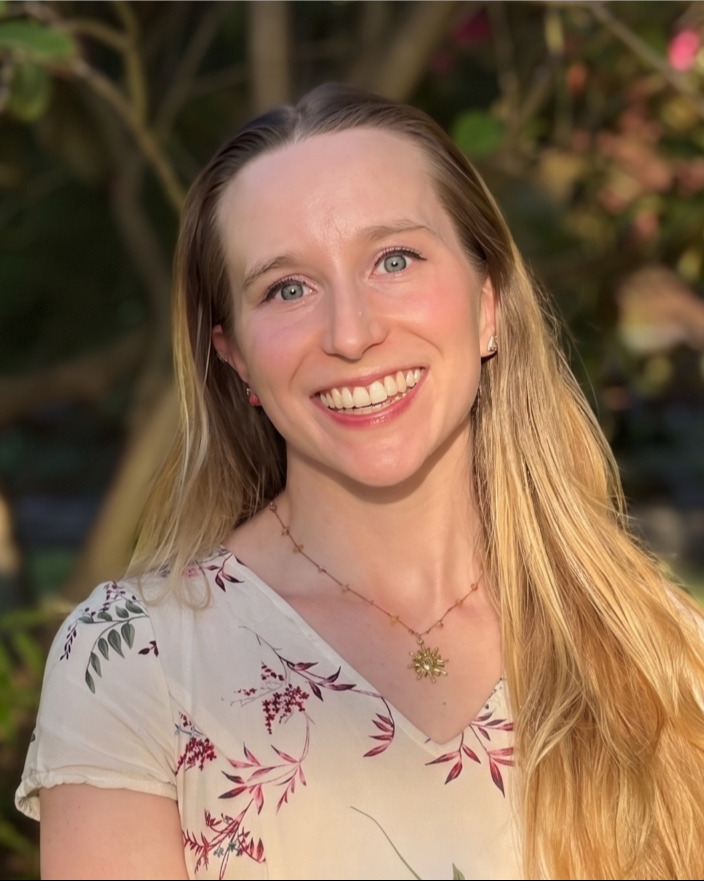
Seattle Relationship Therapist Emma Ehrlich

Emma Ehrlich MA, LMHCA
Licensed Mental Health Counselor Associate

(she/her pronouns)

Sessions with Emma are available in-person in Seattle or through telehealth.
Session fee: $185 for individual clients, $195 for couples/relationship clients

I work with individuals and ...

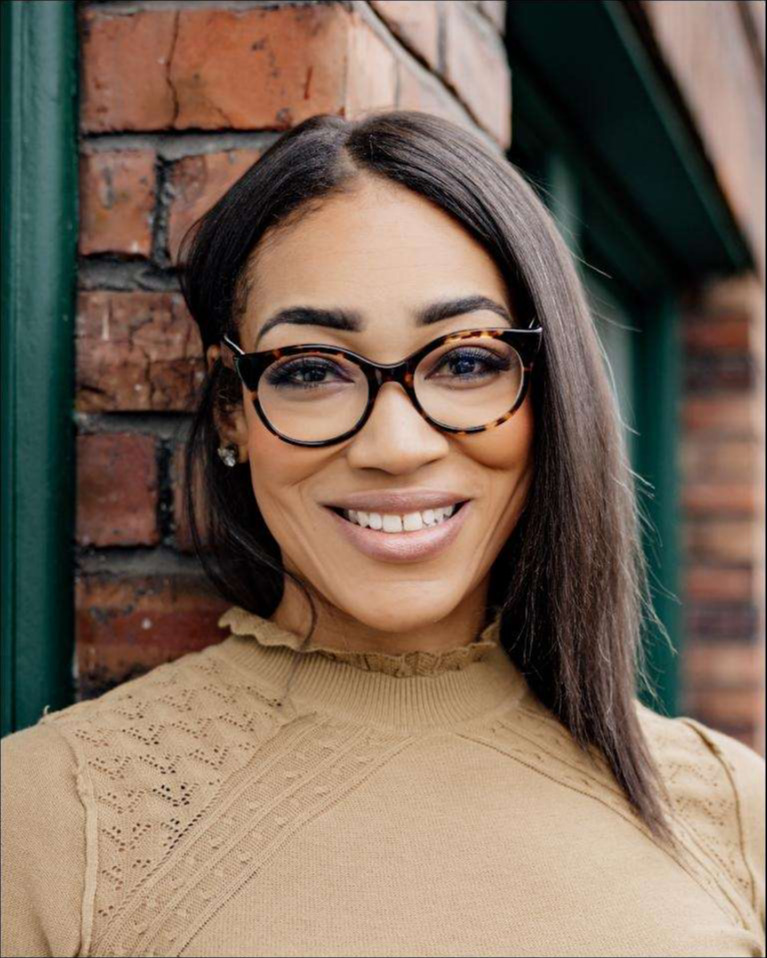
Rosa Nicole Booker, LMFTA - Seattle Therapist

Rosa Booker MS, LMFTA
Licensed Marriage and Family Therapist Associate

(she/her pronouns)

Sessions with Rosa are available in person in Seattle or through telehealth.
Session fee: $195 for individual and couples/relationship clients

Many couples come to me when their ...

Lindsey Pepperoni, MA, LMFT CST therapist in Seattle, WA

Lindsey Pepperoni MA, LMFT, CST
Licensed Marriage and Family Therapist

(she/her pronouns)

Sessions with Lindsey are available in-person in Seattle or through telehealth.
Session fee: $195 for individual and couples/relationship clients

I work with individuals and couples navigating disconnection, ...

Misa Mattson, MA, LMFTA sex therapist in Seattle, WA

Misa Mattson MA, LMFTA
Licensed Marriage and Family Therapist Associate

(she/her pronouns)

Sessions with Misa are held through telehealth.
Session fee: $185 for individual clients, $195 for couples/relationship clients

I work with individuals, couples, and polycules who want to ...

Corey-Thompson, MA, LMHC therapist in Seattle, WA

Corey Thompson MA, LMHC
Licensed Mental Health Counselor

(he/him pronouns)

Sessions with Corey are held exclusively through telehealth.
Session fee: $185 for individual clients, $195 for couples/relationship clients

Many of the individuals, couples, and polycules I support ...

Lisa Stewart, LICSW Gottman couples therapist in Seattle, WA

Lisa Stewart MSW, MJ, LICSW, SUDPT
Licensed Clinical Social Worker

(she/her pronouns)

Sessions with Lisa are available in-person in Seattle on Saturday or through telehealth.
Session fee: $185 for individual clients, $195 for couples/relationship clients

I work with ...

Featured Blog Posts - Couples Therapy and Relationship Therapy

November 1, 2025

Should We Take a Break? What Relationship Therapists Want You to Know First

Couple holding hands

The phrase usually comes out carefully, almost like it’s been rehearsed. One partner finally asks, "What if we just took a break?" And then the silence lands. Not because the question is simple, but because the answer rarely is.

If you’re here, maybe you’re already asking it. Maybe things feel strained ...

September 11, 2025

Do Happy Couples Go to Therapy?

Couple sitting together on therapist couch with counselor having a connected conversation

The short answer? Yes. Often!

Many people assume couples therapy is a last resort…something you do when your relationship is in crisis. But therapy isn’t just for those at the breaking point. It can also be a space for deepening connection, building skills, and staying emotionally attuned when things are mostly ...

August 27, 2025

Relationship Advice vs. Relationship Healing: How Therapy Goes Deeper Than Any App

Two women in therapy

Relationship advice is everywhere. It’s on your phone, in your feed, whispered in reels, shouted on podcasts. Advice is easy to come by... but deep healing? That’s something entirely different.

We thought we'd talk in this blog about why apps, tips, and influencer quotes can feel helpful (and sometimes are!), but ...

Frequently Asked Questions

Relationship coaches and couples therapists can both support relationships, but their training, scope of practice, and approach are often quite different.

Relationship coaches typically focus on guidance, accountability, communication strategies, goal-setting, or helping people move toward desired outcomes in their relationships. Coaching can sometimes be helpful for couples looking for structure, encouragement, or practical tools.

Couples therapists, on the other hand, are licensed mental health professionals with clinical training in emotional and relational dynamics. Therapy often goes deeper into areas such as attachment patterns, conflict cycles, trauma, betrayal, anxiety, emotional regulation, intimacy concerns, family-of-origin influences, and longstanding relational pain.

Therapists are also trained to assess for mental health concerns that may be affecting the relationship and are required to follow professional ethics, confidentiality standards, licensing regulations, and continuing education requirements.

Another important difference is that couples therapy is often less focused on simply giving advice and more focused on helping partners understand the underlying emotional patterns driving conflict and disconnection. This can involve slowing conversations down, increasing emotional awareness, improving communication, rebuilding trust, and helping couples relate to each other differently in real time.

Many couples seek therapy when they feel stuck in recurring arguments, emotional distance, resentment, intimacy struggles, communication breakdowns, or uncertainty about the future of the relationship. In those situations, working with a licensed therapist trained in relationship work is often more appropriate than coaching alone.

If you’re interested in couples therapy, marriage counseling, or sex and intimacy therapy, our intake coordinator can help you explore what kind of support may fit your situation best.

AI-powered relationship apps and tools can sometimes be helpful as a starting point for couples who want to reflect on communication patterns, learn relationship concepts, or begin conversations they’ve been avoiding. Some couples find these tools useful for increasing awareness or organizing their thoughts before seeking support.

At the same time, AI cannot fully replace the experience of working with a skilled human couples therapist. Relationships are emotionally complex, and much of the important work in therapy happens in real time through emotional attunement, conflict regulation, trust-building, accountability, vulnerability, and repair. Human therapists are able to notice subtle emotional shifts, relational patterns, body language, defensiveness, shutdown, longing, fear, and emotional disconnection in ways that AI currently cannot truly understand.

Couples therapy is also not just about providing advice or communication tips. A good therapist helps create emotional safety while guiding difficult conversations that many couples struggle to navigate on their own. This often includes helping partners slow down reactive cycles, understand each other more deeply, and work through painful experiences that don’t fit neatly into scripted responses or questionnaires.

That said, we don’t see AI tools as inherently negative. Some couples may use them alongside therapy as an additional resource for reflection, journaling, communication practice, or psychoeducation. But for couples facing deeper patterns of conflict, resentment, emotional disconnection, betrayal, intimacy concerns, or long-standing relationship pain, human therapy tends to offer a depth and responsiveness that technology alone cannot fully replicate.

If you’re curious about this topic, you may also appreciate our blog post on why AI can’t fully replace couples therapy.

If you’re considering couples therapy or sex and intimacy therapy, our intake coordinator can help you explore whether working with one of our therapists might be a good fit for your relationship.

Yes. Online couples therapy can be highly effective, and many couples are surprised by how natural and engaging it feels once they get started. In fact, some couples report feeling more relaxed and open when meeting from the comfort of their own home rather than in a therapist's office.

Research has found that online therapy can be just as effective as in-person therapy for many concerns, including relationship issues. Since 2020, therapists and couples across the country have successfully adapted to telehealth, and many have chosen to continue with virtual sessions even when in-person options became available again.

For the strongest experience, we generally encourage couples to participate from the same physical location whenever possible. Sitting together often allows partners to engage more naturally with one another and helps the therapist observe important relationship dynamics as they unfold. That said, we can often accommodate situations where partners need to join from separate locations.

Many couples also appreciate that when the session ends, they don't have to commute home. Instead, they can continue processing the conversation together immediately, often leading to meaningful discussions and deeper connection after therapy.

Whether you're dealing with communication problems, recurring conflict, emotional disconnection, intimacy concerns, trust issues, or major life transitions, couples therapy can often be just as impactful online as it is in person.

If you're wondering whether virtual couples therapy would be a good fit for your relationship, our intake coordinator can help answer your questions and guide you through the process of getting started.

Sometimes, yes... but there are important limits around this that are designed to protect the therapy process and maintain clear therapeutic boundaries.

It’s fairly common in individual therapy for a therapist to occasionally invite a partner into a session or two to better understand relationship dynamics, improve communication, or support the work happening in therapy. In some situations, therapy may even transition into ongoing couples therapy, depending on the goals and circumstances involved.

However, we generally do not allow the same therapist to provide separate ongoing individual therapy to both members of a couple. Doing so can create conflicts of interest, strain the therapist’s neutrality, and make it more difficult for both people to feel emotionally safe and fully open in their individual work.

If one partner is already seeing a therapist in our practice and the other partner would also like support, we’re usually happy to help connect them with a different Clarity Counseling Seattle therapist whose availability and specialty areas may be a good fit.

These boundaries are not about secrecy or exclusion. They exist to help preserve trust, clarity, fairness, and the integrity of the therapeutic relationship for everyone involved.

If you have questions about whether individual counseling, couples therapy, or a combination of both might make sense for your situation, our intake coordinator can help guide you through the options.

Sometimes, yes. Couples therapy can absolutely help some relationships repair, reconnect, and heal... even when things feel painful, distant, or uncertain. But it’s also important to be honest that no therapist can guarantee a relationship will survive.

Many couples wait a very long time before seeking help. By the time therapy begins, partners are often carrying years of unresolved hurt, resentment, disconnection, loneliness, failed repair attempts, or emotional exhaustion. Even so, relationships that feel stuck or fragile can sometimes improve significantly when both people are willing to engage honestly in the process.

Good couples therapy is not simply about “saving” a relationship at all costs. It’s about helping partners better understand themselves, each other, and the patterns shaping the relationship. Sometimes that leads to deeper connection, renewed trust, and meaningful repair. Other times, therapy helps couples gain clarity about difficult decisions while navigating them with greater compassion, insight, and care.

Even when a relationship ultimately ends, therapy can still be deeply valuable. Many people leave the process with a stronger understanding of communication, attachment, boundaries, emotional regulation, intimacy, conflict patterns, and the kinds of relationship dynamics they want to create moving forward.

It’s also important to know that therapy can still help even if only one partner is willing to participate initially. Individual therapy can help you better understand your own emotional experience, relationship patterns, and options during a painful or uncertain period.

If your relationship feels fragile or uncertain right now, our intake coordinator can help you explore whether couples counseling, marriage counseling, or individual support may be the best next step.

Create the relationship you both want — one step at a time.
Take the First Step