
Men's Therapy
Therapy for Men That Honors Strength and Emotion

In-person in Seattle or online across Washington, we support men ready to move past silence and show up fully—in relationships, at work, and within themselves.

Man climbing mountain after therapy appointment in Seattle
What can we help you with?
Learn More

Men's Therapy in Seattle, WA

Many men grow up learning to handle things alone, stay composed, or rely on logic when life gets hard. Those strengths can be useful, but they can also make it difficult to know what to do with sadness, anger, loneliness, shame, or relationship pain.

At Clarity, we welcome cisgender men, transgender men, and nonbinary people who connect with this work. We know how hard it can be to reach out, especially when you’re used to handling things on your own. Seeking support isn’t weakness. Building emotional intelligence, self-trust, and deeper relationships can help you live with more clarity and ease.

Man talking with a therapist, representing men’s therapy in SeattleIf your partner has said they feel like they’re doing all the emotional heavy lifting, or if you’ve noticed tension but aren’t sure how to respond, you’re not alone. These are common challenges we help men work through in therapy.

Our therapists help men build secure attachment, explore identity, develop empathy, and show up more fully in their relationships with partners, friends, and themselves.

What is men’s therapy at Clarity?

Men’s therapy offers a space to gain clarity, emotional range, and resilience. Whether you’re navigating relationships, work stress, or questions about identity and purpose, therapy can help you develop the tools, language, and confidence to live with more intention and less pressure.

Many men grow up learning to disconnect from their feelings, intuition, and vulnerability. In therapy, we help you put words to what you feel, understand your patterns, and respond with more clarity so you can move through life feeling more grounded, open, and connected.

How do stress and emotions show up for men?

For many men, distress doesn’t always feel like sadness. It can show up as irritability or anger, emotional shutdown, overworking, trouble sleeping, body tension, headaches, or a constant sense that you should “power through.” Therapy helps you connect the dots between what you feel, how it shows up in your body and behavior, and what you actually need.

These themes also show up in Clarity’s broader work on men’s emotional development, emotional labor, loneliness, and relationships, including contributions to The New York Times and The Seattle Times. You can explore related interviews and articles on our Media & Press page.

What challenges can men’s therapy help with?

We work with clients navigating a wide range of concerns, including:

  • Depression, stress, and anxiety
  • Relationship difficulties and intimacy concerns
  • Emotional unavailability and attachment issues
  • Parenting, career stress, or major life transitions
  • Anger, irritability, or emotional shutdown
  • Shame, self-doubt, and inner criticism
  • Masculinity and identity exploration
  • Male loneliness and friendship struggles
  • Sexuality and gender expression
  • Trauma including childhood, relational, or systemic trauma
  • Consent, emotional labor, and communication in relationships
  • Work-related pressure including tech or leadership roles
  • Infidelity and trust repair

How do we approach therapy with men?

We take a holistic, affirming approach grounded in an understanding of how attachment forms, how intuition gets quieted, and how masculinity norms can cut men off from the emotional tools they need most. We help you build skills to express needs, regulate emotions, and show up with care, presence, and consent.

Depending on your goals, your therapist may draw from:Man making a heart shape with his hands, representing men’s mental health and self-compassion

  • Cognitive Behavioral Therapy (CBT) for practical coping skills
  • Attachment-based therapy to strengthen emotional connection
  • EMDR to process painful memories or trauma
  • The Gottman Method for relationship tools such as bids for connection

We tailor the approach to fit you, your story, and your goals.

Which therapists at Clarity work with men?

Our team includes LGBTQIA+ affirming, trauma-informed clinicians experienced in supporting men navigating silence, pressure, isolation, and the impact those patterns can have on relationships and self-worth. Whoever you work with, you’ll be met with respect, curiosity, and genuine care.

How can you start men’s therapy in Seattle or online?

You don’t need to be in crisis to start. If you’re tired of carrying everything alone or want to show up differently in your relationships, we’re here to support you. We offer online therapy across Washington and in-person sessions at our South Lake Union office in Seattle.

Learn About Individual Therapy
Explore Sex & Intimacy Therapy
Couples Therapy for Men in Relationships
What Is Love Bombing? Read Our Article on Gottman.com


How Men’s Therapy at Clarity Counseling Seattle Helps You Navigate Challenges and Live More Authentically

Men face unique pressures in today’s world — from expectations around strength and success to unspoken rules about vulnerability. Our Seattle men’s therapists provide a safe, understanding space to explore what you’re going through, whether it’s relationship stress, career pressures, emotional struggles, or questions about identity. Together, we’ll help you break old patterns, build resilience, and create a life that feels both balanced and authentic.

Therapy Tailored to Men’s Experiences

We understand the cultural and personal factors that shape men’s mental health. Our therapists work with issues like relationship challenges, workplace stress, fatherhood, intimacy concerns, and emotional barriers, providing guidance that is practical, relevant, and grounded in real-world understanding.

A Space to Redefine Strength and Masculinity

You don’t have to choose between strength and vulnerability — both are essential to living fully. In therapy, we help you examine outdated beliefs about masculinity, build healthier self-awareness, and strengthen your ability to connect meaningfully with others. This process supports not only your mental well-being but also your relationships.

Skills for Resilience and Emotional Health

We equip you with tools to manage stress, navigate conflict, and respond to challenges with clarity rather than reactivity. These skills help you handle life’s demands while staying connected to what matters most — your values, your relationships, and your overall well-being.

Flexible Support That Fits Your Life

With both in-person sessions at our Seattle office and secure online therapy available throughout Washington State, you can access support in a way that works for your schedule. Whether you prefer the privacy of your own space or face-to-face conversation, therapy is designed to be accessible and sustainable.

Justin Pere is one of my top referrals for men and couples in Seattle.

I have worked with many women who have seen Justin as part of couples counseling and they have felt his support and guidance were extremely helpful for their relationship. Justin is a kind, compassionate and highly experienced therapist who I would recommend without hesitation!

Meet Our Therapists :

Justin Pere, Seattle couples therapist and certified sex therapist

Justin Pere LMHC-S, CST, CGT

Relationships, Sex & Midlife

(he/him pronouns)

Seattle + telehealth across Washington

Focus: couples therapy, sex/intimacy, men’s therapy, midlife concerns

Fee: $195 for individuals, $215 for couples/relationships

I’m a Certified Sex Therapist ...

Emma Ehrlich, Seattle therapist specializing in relationships, anxiety, and intrusive thoughts

Emma Ehrlich MA, LMHCA

Relationships, Anxiety & Intrusive Thoughts

(she/her pronouns)

Seattle + telehealth across Washington

Focus: couples therapy, relationship counseling, anxiety, somatic therapy, chronic illness, life transitions, emotional overwhelm

Fee: $185 for individuals, $195 ...

Rosa Booker, Seattle therapist specializing in relationships, parenting, and family transitions

Rosa Booker MS, LMFTA

Relationships, Parenting & Family Transitions

(she/her pronouns)

Seattle + telehealth across Washington

Focus: couples therapy, relationship counseling, premarital counseling, parenting transitions, sex/intimacy, cross-cultural relationships, grief

Fee: $195 for both individuals and ...

Corey Thompson, Washington online therapist specializing in sex, intimacy, relationships, and desire

Corey Thompson MA, LMHC

Sex, Desire & Relationship Therapy

(he/him pronouns)

Telehealth across Washington

Focus: couples therapy, relationship counseling, sex therapy, intimacy counseling, out of control sexual behavior (OCSB), desire ...

Featured Blog Posts - Men's Therapy

September 11, 2025

Men and Emotional Loneliness: Why It’s Hard to Talk About, and Why It Matters

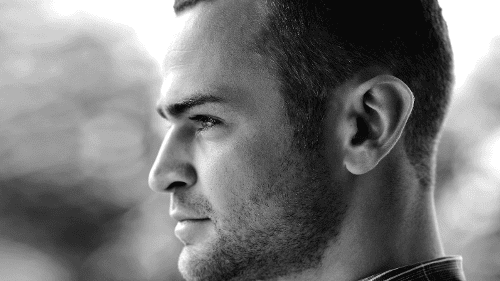
Man looking to his left

Not all loneliness is visible. For many men, it hides in plain sight...beneath busy schedules, successful careers, or even seemingly happy relationships. And while emotional loneliness can quietly erode connection and well-being, it often goes unspoken. Sometimes even unnoticed.

We see it in therapy often: men who care deeply, who want ...

May 14, 2024

Supporting Men’s Emotional Health: What Modern Therapy Gets Right (and What Still Needs Work)

Man in men's therapy in Seattle sitting in a chair.

There’s been a growing awareness in recent years that therapy hasn’t always met men where they are. Many of the male clients we see at Clarity Counseling Seattle arrive with a similar hesitation—they want support, but they’re not sure therapy is a space built for them. As Seattle therapists ...

July 3, 2023

Men and the Gottman Sound Relationship House

Therapy Podcast

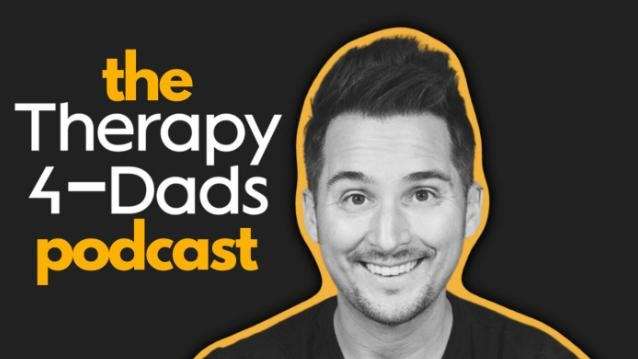
This might count as what the younger generation calls a “vulnerability post.” I’m not totally sure I’ve got the term right, but what I do know is that putting myself on camera isn’t my comfort zone. What I do love? Sitting down with another therapist and diving deep into topics ...

Frequently Asked Questions

Absolutely. One of the biggest misconceptions about therapy is that you have to be overwhelmed, struggling, or in crisis before it can be helpful. In reality, many men benefit from therapy long before a situation reaches that point.

Just as people exercise before developing health problems or maintain their vehicles before a breakdown occurs, therapy can be a proactive way to improve emotional well-being, strengthen relationships, increase self-awareness, and navigate life more intentionally.

Many men seek therapy because they want to:

  • Improve communication and relationships
  • Manage stress more effectively
  • Develop greater emotional awareness
  • Navigate career transitions or life changes
  • Become better partners, fathers, or leaders
  • Build healthier coping strategies
  • Increase confidence and self-understanding
  • Explore questions about meaning, purpose, or identity

For some men, therapy provides one of the few places where they can openly discuss challenges, fears, uncertainties, or vulnerabilities without feeling pressure to have all the answers. Many discover that they don't need to be "broken" to benefit from having a thoughtful conversation about their life and relationships.

In fact, some of the most rewarding therapy work happens when people are functioning relatively well and simply want to continue growing, strengthening important relationships, and becoming more intentional about the kind of life they want to create.

If you're interested in therapy for men, individual counseling, or support around relationships and life transitions, our intake coordinator can help you find a therapist who feels like a good fit for your goals.

Many men grow up receiving messages—both direct and indirect—that emotions should be controlled, hidden, minimized, or handled alone. While these messages are often well-intentioned, they can make it difficult to recognize, understand, and communicate feelings later in life.

For some men, this creates challenges in relationships, parenting, friendships, work, and overall well-being. They may know they are frustrated, stressed, disconnected, lonely, or overwhelmed, but struggle to identify exactly what they are feeling or how to express it effectively.

Therapy helps by creating a safe, nonjudgmental space where emotions can be explored at a pace that feels comfortable. Rather than encouraging emotional expression for its own sake, therapy focuses on helping men better understand their internal experiences and develop a broader emotional vocabulary.

Many men discover that emotions they once experienced simply as anger, irritability, numbness, or stress actually include feelings such as sadness, disappointment, fear, grief, loneliness, shame, vulnerability, or longing. Developing awareness of these emotions often leads to clearer communication and stronger relationships.

As emotional awareness grows, many clients find it easier to express needs, navigate conflict, set boundaries, ask for support, and build deeper connections with the people they care about. This can be particularly valuable in romantic relationships, where emotional accessibility is often closely tied to intimacy and connection.

Therapy is not about becoming someone different. It's about developing greater flexibility, self-understanding, and choice in how you respond to life's challenges and relationships.

If you're interested in therapy for men, individual counseling, or support around relationship challenges, our intake coordinator can help you find a therapist who feels like a good fit.

Absolutely. Sexual concerns are among the most common reasons men seek therapy, and they can affect emotional well-being, self-confidence, relationships, and overall quality of life.

Men often seek support for issues such as erectile difficulties, performance anxiety, low sexual desire, desire discrepancy with a partner, compulsive sexual behavior, pornography concerns, difficulty with arousal, intimacy challenges, sexual shame, or questions about sexuality and identity.

While many people assume sexual difficulties are purely physical, emotional and relational factors frequently play an important role as well. Stress, anxiety, depression, relationship conflict, unresolved hurt, life transitions, self-esteem concerns, and communication difficulties can all influence sexual functioning and satisfaction.

In sex and intimacy therapy, the goal is not simply to address symptoms but to better understand the factors contributing to the concern. Therapy may involve exploring emotional patterns, relationship dynamics, beliefs about masculinity and sexuality, communication skills, anxiety management, and ways of creating greater emotional and physical connection.

Some men attend therapy individually, while others participate alongside a partner through couples therapy. Both approaches can be highly effective depending on the nature of the concern and the goals involved.

Many men find that simply having a safe, nonjudgmental space to discuss topics that are often difficult to talk about openly can be an important step toward change.

If you're interested in support around sexual concerns, intimacy challenges, or relationship issues, our intake coordinator can help you find a therapist who feels like a good fit for your goals and concerns.

Many people assume anger is the primary problem when, in reality, it is often a signal that something deeper is happening underneath. Stress, fear, shame, hurt, loneliness, anxiety, disappointment, feeling powerless, or unmet emotional needs can all contribute to anger and controlling behaviors.

Therapy can help you better understand what is driving these reactions and identify the situations, beliefs, emotions, or relationship dynamics that tend to trigger them. Rather than simply focusing on suppressing anger, the goal is to develop healthier ways of recognizing, understanding, and responding to difficult emotions.

For some people, anger shows up as yelling, irritability, criticism, defensiveness, or conflict with loved ones. For others, it appears as withdrawal, resentment, passive-aggressive behavior, emotional shutdown, or attempts to control situations in order to reduce anxiety and uncertainty.

Through therapy, many clients learn practical tools for emotional regulation, communication, stress management, boundary-setting, and conflict resolution. They also gain insight into the deeper patterns that may be contributing to recurring struggles.

As anger becomes more understandable and manageable, people often notice improvements in their relationships, work life, self-esteem, emotional well-being, and overall quality of life.

If anger or controlling behaviors are creating difficulties in your relationship, therapy can also help you better understand how these patterns affect the people around you and develop healthier ways of connecting with others.

If you're interested in therapy for men, individual counseling, or support around relationship challenges, our intake coordinator can help you find a therapist who feels like a good fit.

In many ways, men's therapy looks similar to other forms of counseling. The core ingredients that make therapy effective—trust, self-awareness, emotional exploration, skill-building, and a strong therapeutic relationship—remain the same.

What makes therapy for men unique is the attention given to experiences, pressures, and expectations that many men encounter throughout their lives. Topics such as masculinity, emotional expression, identity, achievement, relationships, fatherhood, work stress, loneliness, sexuality, and cultural expectations often become important parts of the conversation.

Many men have been taught to prioritize independence, self-reliance, productivity, and problem-solving. While these qualities can be strengths, they can sometimes make it harder to ask for help, express vulnerability, recognize emotional needs, or navigate relationship challenges effectively.

Men's therapy creates space to examine these influences without judgment. The goal is not to criticize traditional ideas of masculinity, but rather to help men understand how those messages have shaped them and decide which beliefs and patterns continue to serve them well.

Common topics include stress, anxiety, relationships, emotional disconnection, life transitions, career concerns, parenting, intimacy, loneliness, self-worth, and questions about purpose and meaning. For some men, therapy also becomes a place to better understand recurring relationship patterns and improve emotional connection with partners, family members, and friends.

Ultimately, men's therapy is less about treating men as fundamentally different and more about recognizing the unique contexts and experiences that may influence their lives and relationships.

If you're interested in therapy for men, individual counseling, or support around marriage and relationship concerns, our intake coordinator can help you find a therapist who feels like a good fit.

Men's Therapy and Counseling in the 98109 Area
We Can Help